









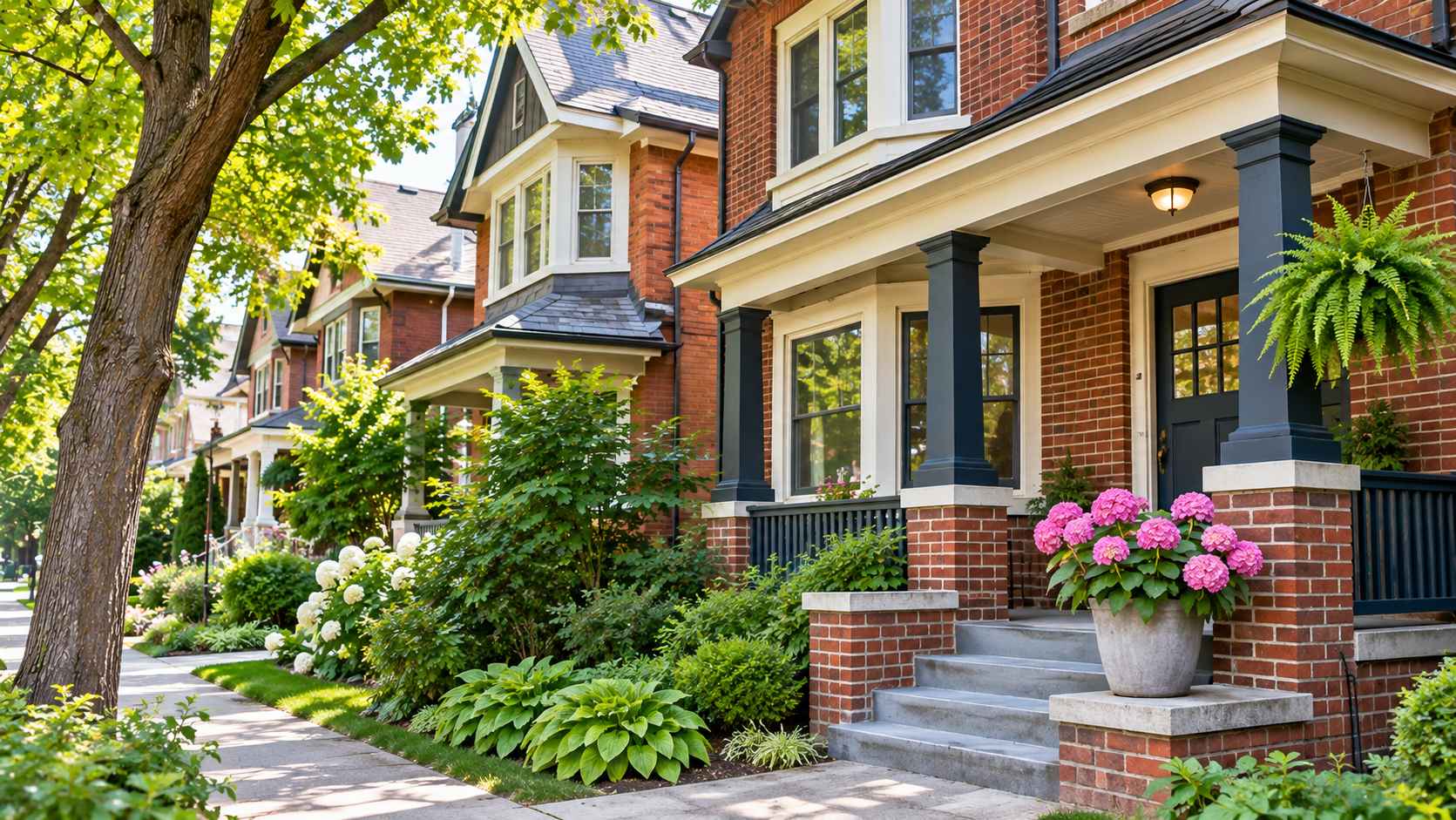
A well-kept older home often has details that newer construction cannot easily reproduce: shaped door casings, substantial baseboards, traditional room proportions, and woodwork with a history of its own. In Bloor West Village and other established Toronto communities, those features can make a home feel distinctive, even when the paint around them is tired.
Refreshing the interior or exterior does not have to mean stripping away its character. Thoughtful painting can brighten rooms, reveal architectural details, and protect surfaces from everyday wear. The best results begin with understanding the condition of the building, choosing compatible materials, and deciding which elements deserve preservation rather than replacement.
Understanding the Unique Needs of Older Toronto Homes
An older detached or semi-detached house may contain plaster walls, painted wood trim, and several generations of repairs. Previous owners might have patched cracks, added drywall, or applied new coatings over older finishes. That history affects how a fresh coat will look and adhere.
Walk through the house with a notebook before choosing colours. Note the condition of ceilings, window frames, doors, skirting boards, and any decorative mouldings. Look for recurring defects rather than treating every imperfection as cosmetic. Photograph areas that may require further investigation.
Inspecting Walls, Ceilings, and Trim Before Painting
Identify the Cause, Not Just the Mark
Hairline cracks around doorways may result from ordinary movement, while widening cracks deserve assessment. Stains near a ceiling or window can indicate moisture, not simply discolouration. Peeling paint, soft wood, or bubbling finishes should prompt a closer look at ventilation, leaks, and surface condition.
Multiple paint layers can also obscure fine trim profiles. Before removing anything, establish what is beneath the surface. Some older Canadian homes may have lead-based coatings, and disturbing them can release hazardous dust. Where lead is suspected, arrange appropriate assessment and safe handling rather than attempting uncontrolled sanding, scraping, or heat removal.
Preserving Character Through Thoughtful Colour Choices
A traditional interior does not have to remain frozen in one period. Contemporary colours can sit comfortably beside original craftsmanship when the overall palette feels considered.
Let Architectural Details Guide the Scheme
In a living room with deep window casings, a muted warm white may let the woodwork stand out. A dining room could take a deeper green or blue without overwhelming a simple plaster ceiling. Bedrooms may benefit from softer colours, while hallways often benefit from colours that connect adjoining rooms rather than competing with them.
Choose trim colours deliberately. Matching trim and walls can create a calm, unified appearance, while a contrasting finish can emphasize doors, mouldings, or built-in cabinetry. Test samples in morning and evening light, particularly in north-facing rooms where colours can appear cooler.
Preparing Older Surfaces for a Durable Finish
Careful preparation is usually more valuable than applying an additional coat to a poorly prepared surface. Clean away dirt and cooking residue, protect floors and hardware, and repair defects with materials suitable for the existing surface.
Delicate plaster may need a compatible filler rather than a heavy-handed repair. Previously patched areas can absorb paint unevenly, making spot priming useful. Where sanding is appropriate and safe, use controlled methods that protect both the surface and household occupants.
For complicated repairs, homeowners can request a detailed quotation from providers such as Home Painters Pro Toronto and ask how the proposed work will protect existing trim, address uneven surfaces, and handle dust. The useful comparison is the preparation plan, not simply the number of coats promised.
Refreshing Interiors Without Major Renovations
Painting offers ways to update a home while keeping original doors, flooring, and room layouts intact. A coordinated wall palette can make connected spaces feel more consistent. Repainting a ceiling can improve the appearance of a room where old coatings have become patchy or marked.
Refreshing baseboards and door casings can also sharpen the contrast between walls and woodwork. In an older kitchen, painting suitable existing surfaces may be less disruptive than replacing every finish, provided the underlying materials are sound and the coating is appropriate for cleaning and moisture exposure.
Avoid automatically painting distinctive unpainted wood. Once covered, reversing the decision may be difficult and damaging. Evaluate whether cleaning, careful repair, or refinishing would better respect the feature.
Exterior Painting Considerations for Toronto Properties
Exterior work introduces weather, height, and material compatibility. Toronto’s rain, humidity, seasonal temperature shifts, and winter conditions affect when surfaces are dry enough and temperatures suitable for application. Follow the chosen product’s requirements for surface temperature, forecast conditions, and recoating intervals.
Inspect painted siding, porch details, fascia, doors, and window trim for cracks, failed caulking, and moisture entry. Repair deteriorated wood and address leaks before coating. Do not assume that exposed brick or masonry should be painted; a new coating can alter moisture movement and future maintenance needs.
For tall façades or difficult access, homeowners searching for Home Painters Toronto should compare contractors’ proposed safety arrangements, surface preparation, coatings, and written exclusions. Where a property has formal heritage protection, check the City of Toronto’s requirements before making changes to protected exterior features. Not every older house is designated, and rules depend on the property and scope of work.
Maintaining Your Home’s Updated Appearance
Once painting is complete, allow finishes to cure according to product instructions before vigorous cleaning or placing objects against them. Wipe marks with a soft cloth and a compatible mild cleaner, testing an inconspicuous spot first.
Check bathrooms, kitchens, and window areas for recurring condensation or water staining. Outdoors, inspect trim and exposed surfaces after seasonal weather changes. Small touch-ups are helpful only when the underlying surface remains sound; repeated peeling points to a problem that paint alone will not fix.
Keep a labelled record of product names, sheen, and colours so future repairs blend more closely with the existing finish.
A Respectful Approach to Updating an Older Home
The appeal of an established Toronto home often comes from the details it has retained. Preserving those details does not mean avoiding change. It means understanding what is worth keeping, correcting deterioration before covering it, and choosing finishes that suit the building.
For homeowners in Bloor West Village and similar neighbourhoods, a measured approach to painting can refresh everyday spaces without turning a modest improvement into an unnecessary renovation. Inspect first, prepare carefully, and let the home’s existing character guide the final choices.